
NeuroStar® Advanced TMS
TMS Therapy: Your Next Step When Traditional Treatments Haven't Worked
If you've tried antidepressant medications and found that they didn't provide enough relief or came with unwanted side effects, or if talk therapy hasn't led to lasting improvement, it may be time to consider another option. Transcranial Magnetic Stimulation (TMS) therapy offers a proven, non-medication approach for individuals who continue to struggle despite traditional treatments. At Fleischer Psychiatry, TMS therapy is delivered within a physician-led psychiatric practice, with careful evaluation and personalized care.
Is TMS Right for Me?
Take Our TMS Therapy Quiz
Curious whether TMS therapy might be right for you? Our quick assessment can help guide you.
This short quiz is designed to provide helpful insight based on your recent symptoms and experiences with depression, anxiety, or obsessive-compulsive symptoms, as well as prior treatment history. While the results are informative, the quiz is only a starting point. A comprehensive evaluation with one of our clinicians is essential to determine the most appropriate treatment plan for your individual needs.
What Is TMS Therapy?
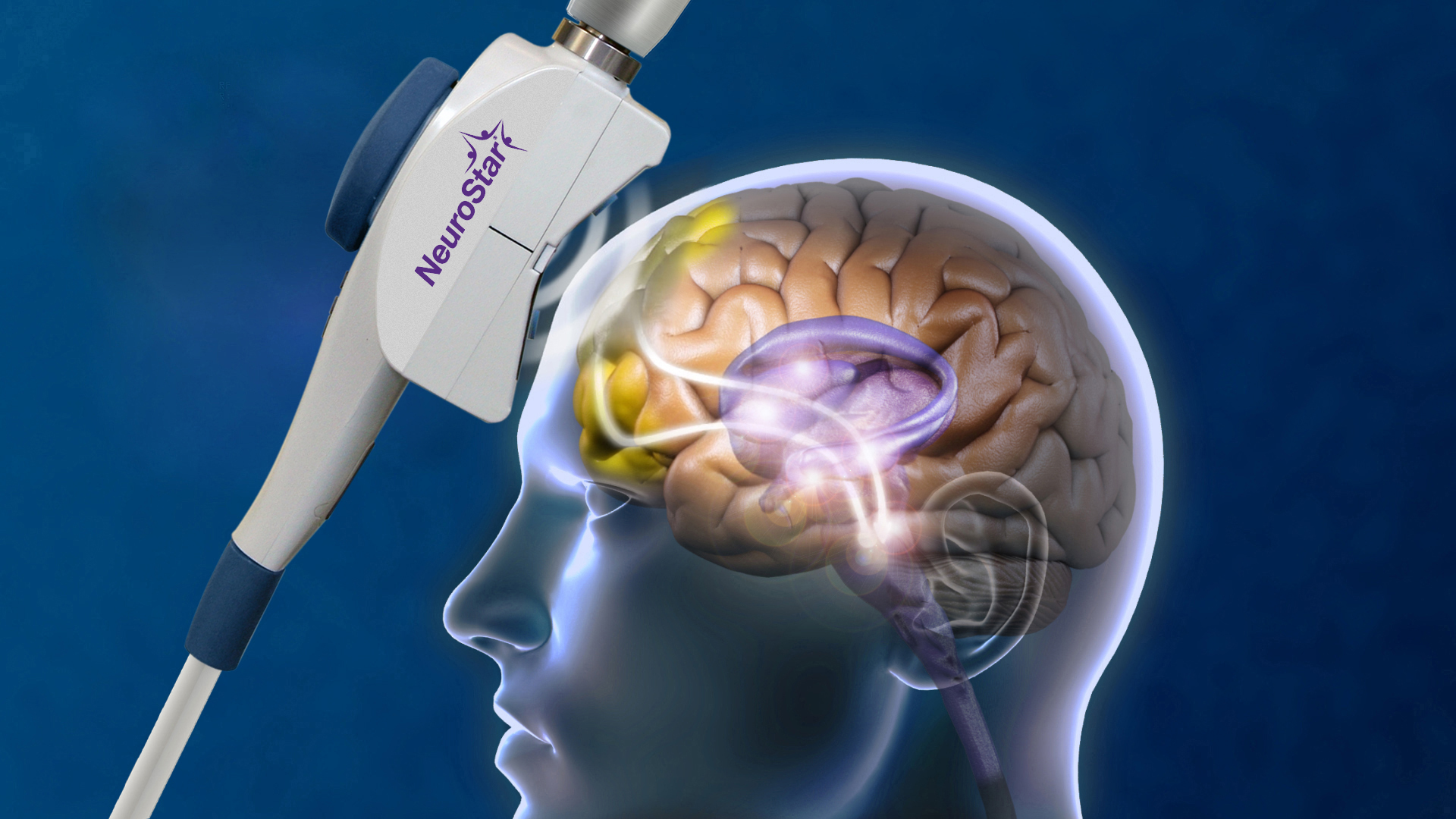
Transcranial Magnetic Stimulation, or TMS, is a non-invasive treatment that uses targeted magnetic pulses to stimulate areas of the brain involved in mood regulation.
In people with conditions such as depression, anxiety, or OCD, these areas may be underactive.
- Does not require anesthesia
- Does not involve systemic medication
- Is performed in an outpatient setting
- Allows you to return to daily activities immediately
Is TMS Right for Me?
Who Is TMS Therapy Typically For?
TMS therapy may be appropriate for adults who:
- Have ongoing symptoms of depression, depression with anxiety, or OCD
- Have tried antidepressant medications without sufficient improvement
- Have experienced side effects from medication
- Have not found lasting relief through talk therapy alone
A comprehensive psychiatric evaluation is required to determine whether TMS therapy is appropriate. Not every patient is a candidate, and recommendations are always guided by safety and clinical judgment.
Real Results
Real Results from Advanced TMS Therapy
Clinical studies of Transcranial Magnetic Stimulation have shown meaningful symptom improvement across multiple mental health conditions. While individual results vary, many patients experience significant relief when TMS therapy is part of their treatment plan.
Depression Response Rate
Anxiety Response Rate
OCD Response Rate
Response rates are based on published clinical research. Individual results may vary. Evaluation required.
Patient Story
Hear From a Real NeuroStar® Patient
Watch Carol share her personal journey with NeuroStar® Advanced TMS Therapy — and how it helped her find relief when other treatments had not.
Why NeuroStar®
Why NeuroStar® Advanced TMS Therapy?
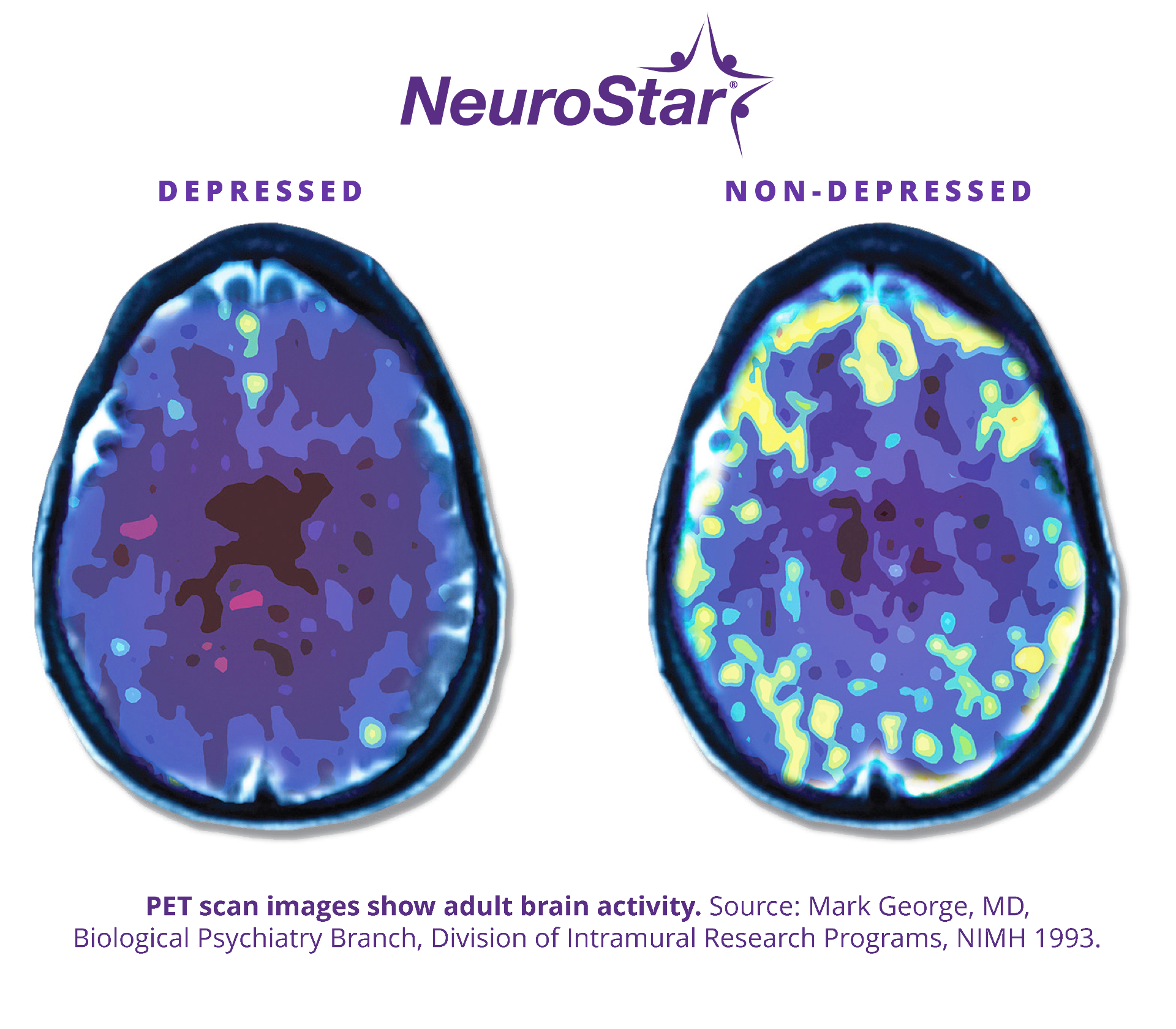
NeuroStar® Advanced TMS Therapy is one of the most established and widely used TMS systems in the United States and is FDA-cleared for the treatment of depression.
At Fleischer Psychiatry, TMS therapy is delivered within a comprehensive, physician-led psychiatric practice. Treatment is never offered as a one-size-fits-all solution and is always integrated into an overall mental health care plan.
PET scan images show adult brain activity. Source: Mark George, MD, NIMH 1993.
Treatment
What Treatment Looks Like
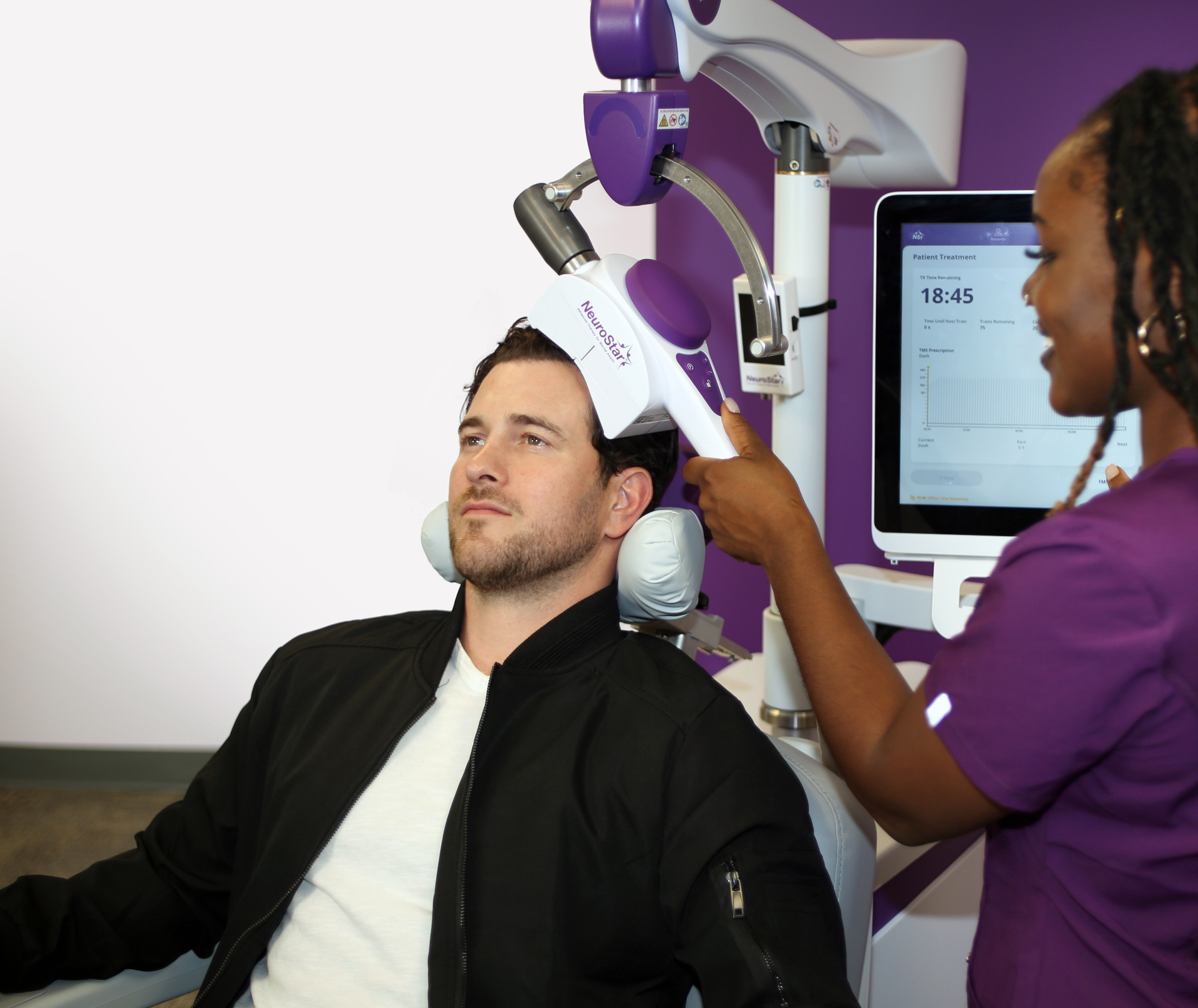
TMS therapy is delivered in a series of brief outpatient sessions, typically scheduled five days per week over several weeks.
- You remain awake and seated comfortably
- A magnetic coil is positioned over the scalp
- You may feel a tapping sensation during treatment
- No sedation or recovery time is required
Many patients notice improvement gradually over the course of treatment, though response varies from person to person.
Safety
Safety and Side Effects
TMS therapy is considered very safe when performed by trained clinicians. The most commonly reported side effects are usually mild and may include:
- Scalp discomfort during treatment
- Headache
- Temporary fatigue
These effects often lessen as treatment continues. Your provider will review potential risks, benefits, and expectations in detail before treatment begins.
Insurance
Insurance Coverage
Many insurance plans, including Medicare and other major carriers, cover TMS therapy when specific criteria are met. Coverage varies based on individual plans and medical history.
Our team can help determine eligibility and guide you through the insurance process.
Physician-Led Care
Physician-Led TMS Care at Fleischer Psychiatry
At Fleischer Psychiatry, TMS therapy begins with a comprehensive psychiatric evaluation and continues with direct physician oversight throughout treatment.
Care is personalized, monitored, and integrated into a broader mental health plan focused on long-term well-being.
No referral required. No obligation.